Sparkling Surfaces: Achieving Professional-Level Cleanliness in Every Nook and Cranny
The Importance of Cleanliness
Cleanliness is not just about aesthetics; it's also about health. A clean home reduces the spread of germs and bacteria, which can lead to illness. It also creates a more pleasant and inviting environment for you and your family.
Expert Cleaning Tips
1. Start with the Right Supplies
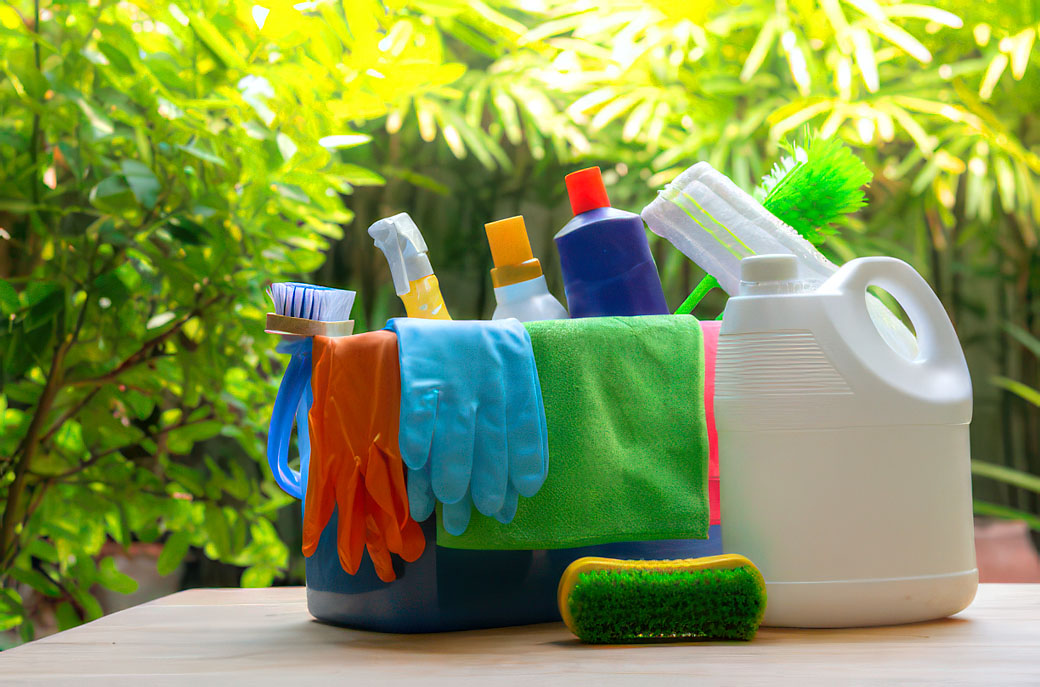
Having the right cleaning supplies on hand can make all the difference in the effectiveness and efficiency of your cleaning routine. Here are some essential supplies to have in your cleaning arsenal:
General Cleaning Supplies:
- All-Purpose Cleaner: A versatile cleaner that can be used on various surfaces, including countertops, appliances, and floors. Check out ALLPURPOSECLEANER1 for an effective all-purpose cleaner that tackles dirt and grime without harsh chemicals.
- Glass Cleaner: For streak-free cleaning of windows, mirrors, and glass surfaces.
- Microfiber Cloths: These are excellent for dusting and wiping surfaces, as they are more effective than traditional cloths and are reusable. Consider using MICROFIBERCLOTH1 for a high-quality, durable microfiber cloth.
- Baking Soda: A natural cleaning agent that can be used to scrub surfaces, deodorize carpets, and unclog drains.
- Vinegar: Another natural cleaner that can be used to remove odors, disinfect surfaces, and clean glass.
- Old Toothbrush: Perfect for cleaning hard-to-reach areas, such as grout lines and around fixtures.
- Bucket: To hold your cleaning supplies and water for mopping floors.
Specialized Cleaning Supplies:
- Wood Cleaner: Specifically formulated for cleaning and conditioning wood surfaces, such as furniture and floors.
- Stainless Steel Cleaner: Designed to clean and polish stainless steel appliances and fixtures.
- Upholstery Cleaner: For cleaning fabric upholstery and removing stains.
- Tile and Grout Cleaner: A cleaner that is specially formulated to remove dirt and grime from tile and grout surfaces.
- Electronics Cleaner: A gentle cleaner that is safe for use on electronic devices, such as computers and televisions.
- Appliance Cleaner: A cleaner designed to remove grease, grime, and food residue from appliances like refrigerators and ovens.
Having these supplies on hand will ensure that you are prepared to tackle any cleaning task that comes your way, from everyday tidying to deep cleaning projects. Remember to always read and follow the instructions on cleaning product labels for the best results.
2. Develop a Cleaning Routine
Consistency is key to maintaining a clean home. Develop a cleaning routine that works for you, whether it's cleaning a little bit every day or setting aside a specific day each week for deep cleaning. Stick to your routine to ensure that your home stays clean and organized.
3. Focus on High-Touch Areas
High-touch areas, such as doorknobs, light switches, and countertops, are breeding grounds for germs and bacteria. Pay special attention to these areas when cleaning, using disinfectants to kill germs and prevent the spread of illness.
4. Declutter Regularly
Clutter not only makes your home look messy but also makes it harder to clean. Regularly decluttering your home will make cleaning easier and more effective. Donate or discard items you no longer need to keep your home organized and clutter-free.
5. Use Proper Cleaning Techniques for Every Surface
Each surface in your home requires specific cleaning techniques to ensure optimal cleanliness without causing damage. Here are some expert tips:
Cleaning Wood Surfaces
When cleaning wood surfaces, such as furniture or floors, use a mild wood cleaner and a soft cloth. Avoid using excessive water, as it can damage the wood. For stubborn stains, use a soft brush or sponge, and always wipe with the grain of the wood to avoid scratching.
Cleaning Glass and Mirrors
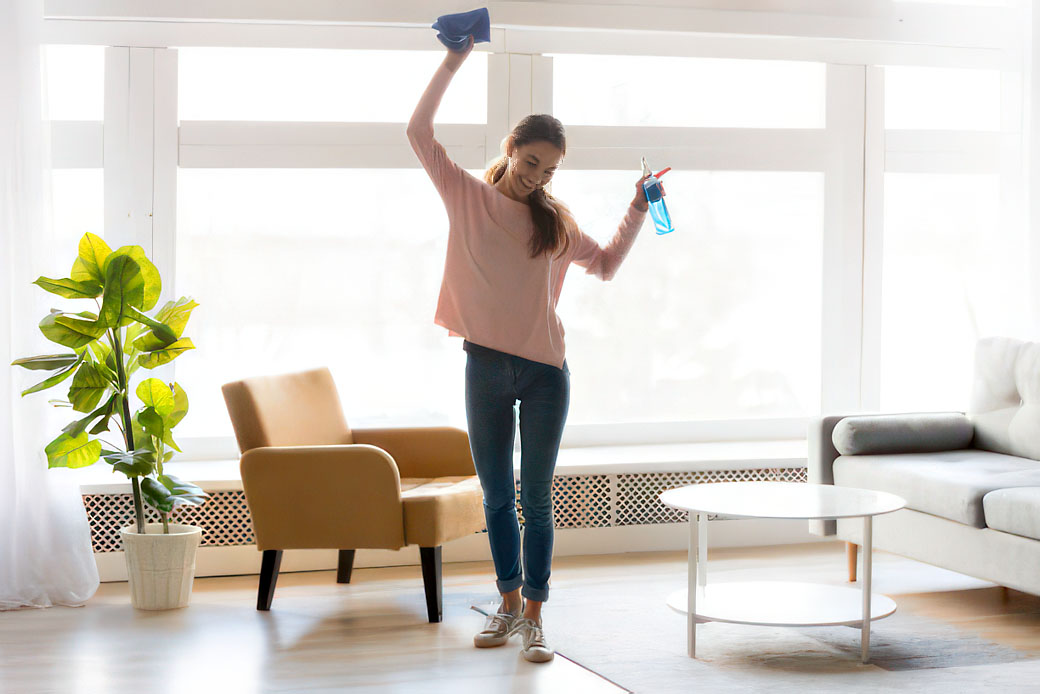
For streak-free glass and mirror cleaning, use a glass cleaner or a mixture of vinegar and water. Spray the cleaner onto a microfiber cloth or paper towel, not directly onto the surface, to prevent drips. Wipe the glass in a circular motion for the best results.
Cleaning Stainless Steel
To clean stainless steel appliances and fixtures, use a stainless steel cleaner or a mixture of mild dish soap and water. Apply the cleaner with a soft cloth, then rinse with clean water and dry with a towel to prevent water spots.
Cleaning Upholstery
When cleaning upholstery, always check the manufacturer's instructions first. Use a fabric cleaner suitable for the material, and test it in an inconspicuous area before applying it to the entire surface. Blot stains gently, rather than rubbing, to avoid spreading the stain.
Cleaning Tile and Grout
To clean tile and grout, use a tile cleaner or a mixture of baking soda and water. Apply the cleaner to the tile and grout, then scrub with a brush to remove dirt and grime. Rinse with clean water and dry with a towel.
Cleaning Electronics
When cleaning electronics, such as computers or televisions, use a microfiber cloth to remove dust and debris. Avoid using harsh chemicals or abrasive materials, as they can damage the delicate surfaces. Use a can of compressed air to clean between keys on keyboards or in vents.
Cleaning Appliances
For appliances like refrigerators, ovens, and dishwashers, use a mixture of baking soda and water to clean the interior and exterior surfaces. Wipe down the surfaces with a damp cloth, then dry with a towel. For stubborn stains or odors, use a specialized cleaner designed for the appliance.
6. Don't Forget About Air Quality
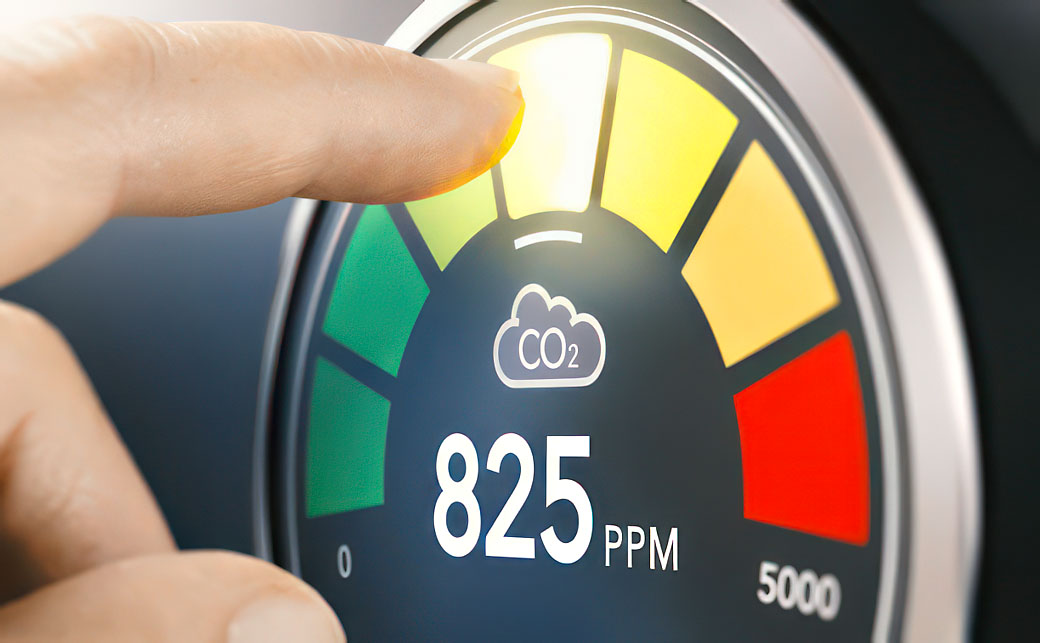
While cleaning your home, it's important not to overlook the quality of the air you breathe. Indoor air pollution can have a significant impact on your health and well-being, so here are some tips to improve air quality in your home:
Use an Air Purifier
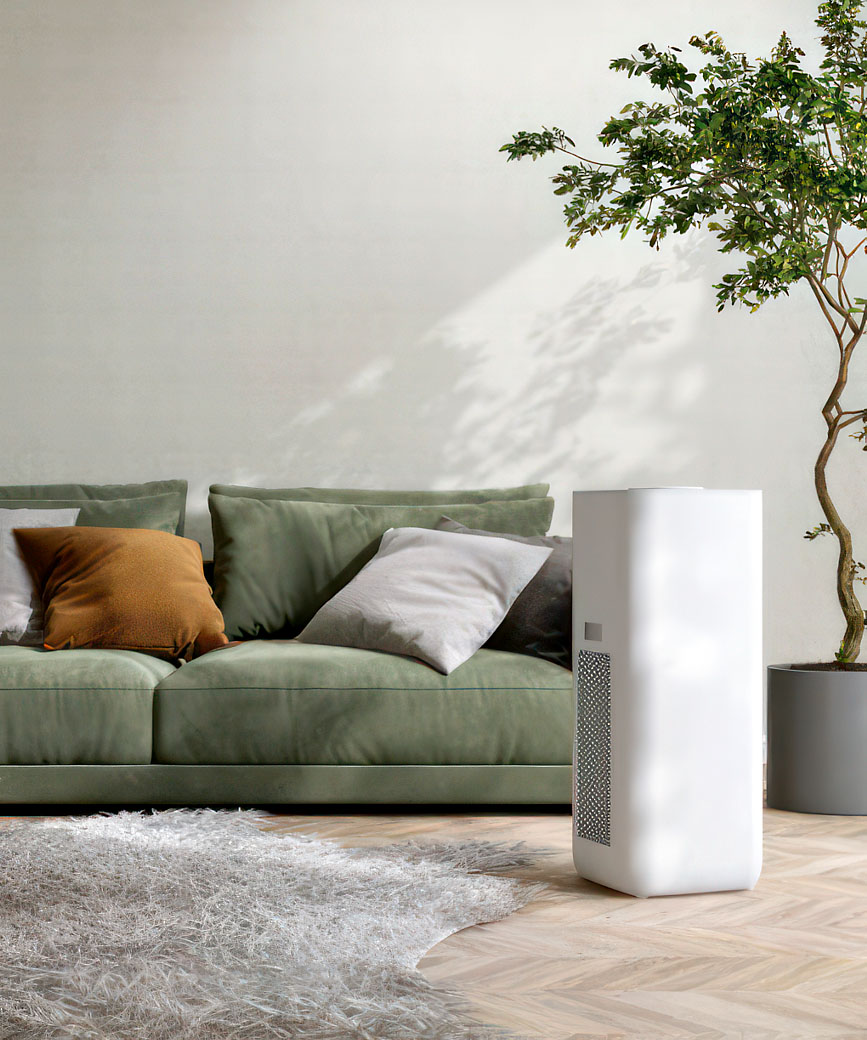
One of the most effective ways to improve indoor air quality is by using an air purifier. Air purifiers, such as the MODEL1 and MODEL2, can help remove airborne particles, such as dust, pollen, pet dander, and smoke, from the air. They work by drawing air into the unit and passing it through a series of filters that trap and remove contaminants.
Additionally, air purifiers can help reduce odors and improve the overall freshness of the air in your home. Look for air purifiers with HEPA filters, like the MODEL1, which are designed to capture 99.97% of particles as small as 0.3 microns.
Keep Your Home Clean
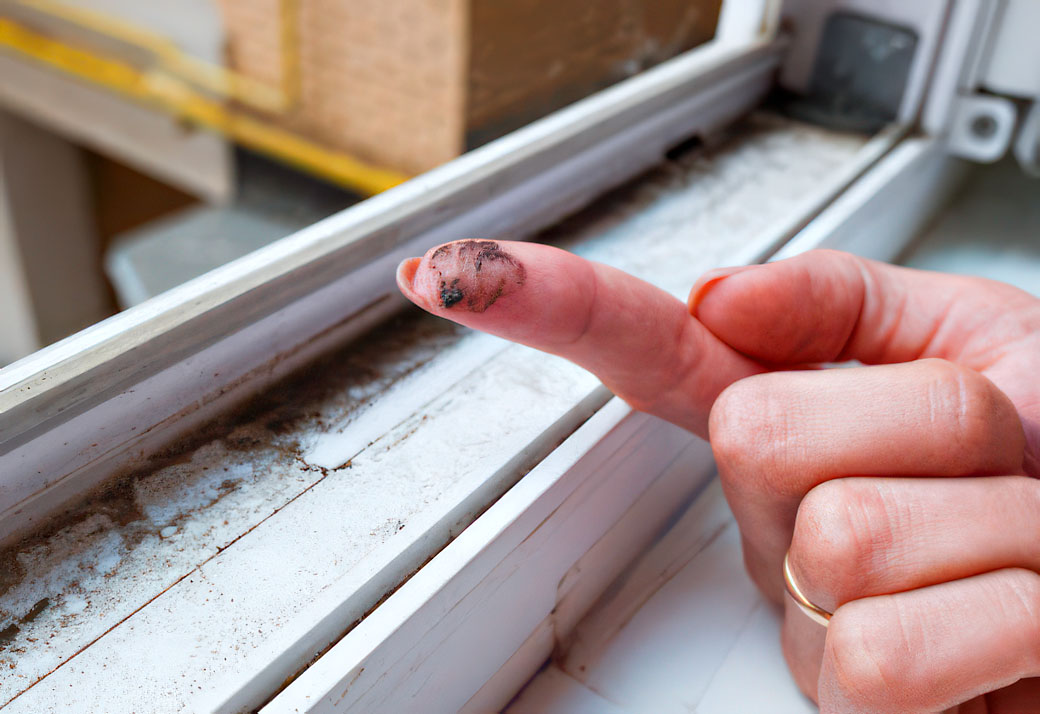
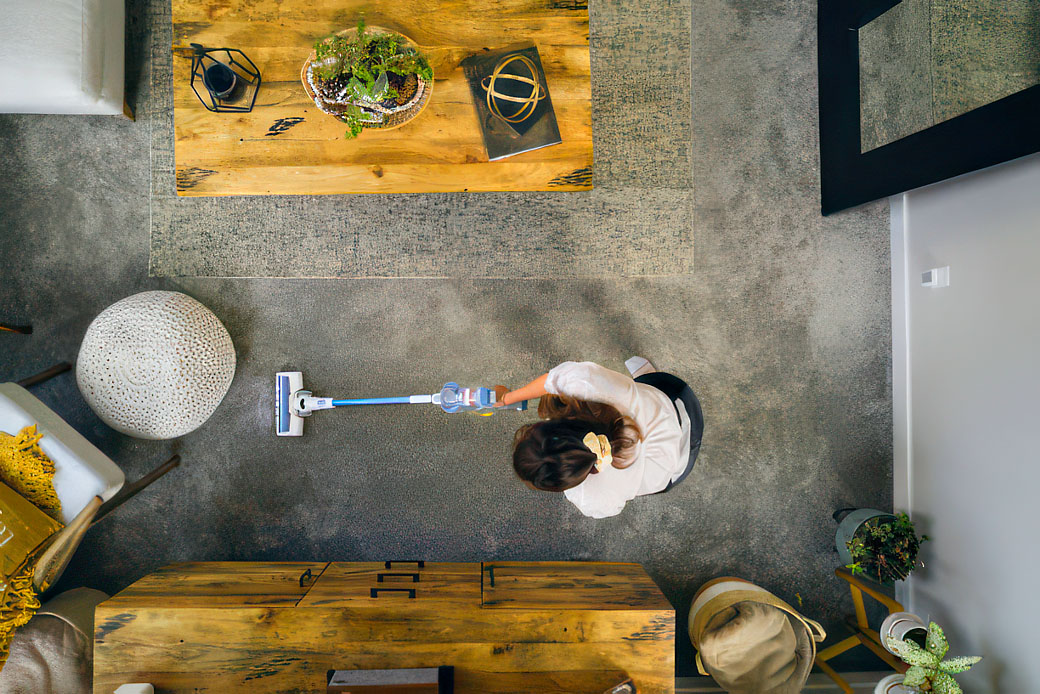
Regular cleaning can help reduce the amount of dust, dirt, and other particles in your home that can contribute to poor air quality. Vacuuming regularly with a vacuum cleaner that has a HEPA filter, such as the MODEL3, can help remove allergens from carpets and rugs. Additionally, dusting surfaces with a damp cloth can help prevent particles from becoming airborne.
Control Humidity Levels
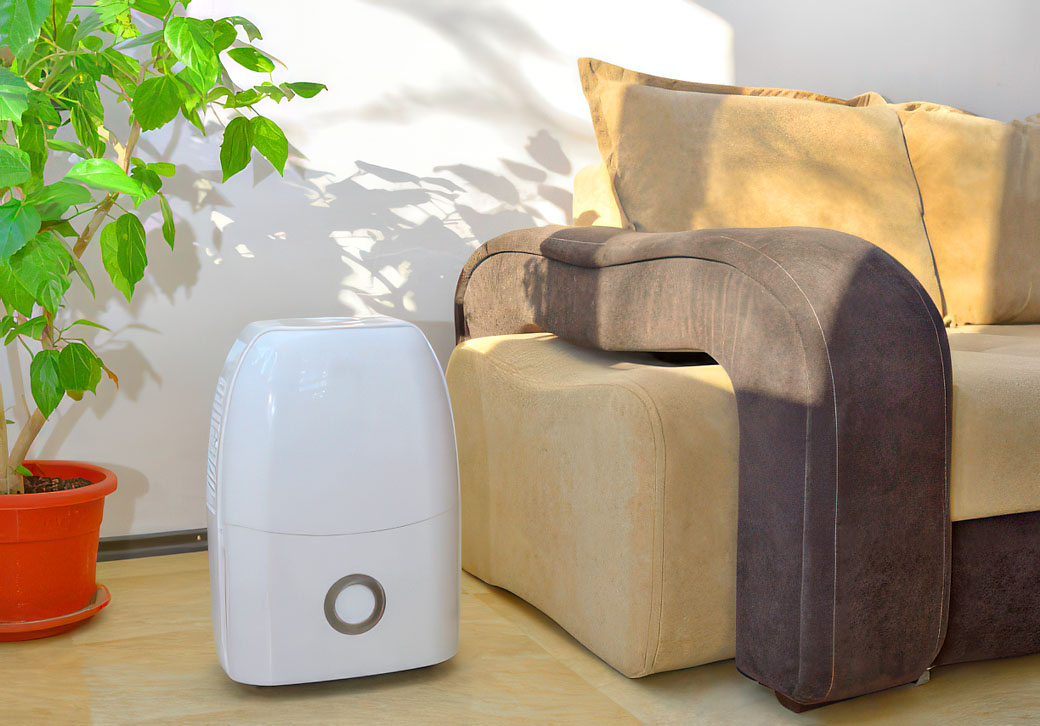
Maintaining proper humidity levels in your home can also help improve air quality. High humidity can promote the growth of mold and mildew, which can release spores into the air. A dehumidifier, such as the MODEL4, can help remove excess moisture from the air, while a humidifier, like the MODEL5, can add moisture to the air in dry climates.
Regularly Ventilate Your Home
Proper ventilation is key to ensuring good indoor air quality. Opening windows and doors when weather permits can help improve air circulation and reduce the concentration of indoor pollutants. Additionally, using exhaust fans in the kitchen and bathroom can help remove odors and moisture from the air.
Choose Low-VOC Products
Volatile organic compounds (VOCs) are chemicals that can be emitted from household products, such as paints, cleaning supplies, and air fresheners, and can contribute to poor indoor air quality. Choosing products that are labeled as low-VOC or VOC-free can help reduce the amount of these chemicals in your home.
By taking these steps to improve air quality in your home, you can create a healthier and more comfortable living environment for you and your family. Consider investing in an air purifier, such as the Flents : 70325 or Flents : 70325 , to further enhance the quality of the air you breathe.
Benefits of Professional-Level Cleanliness
- Healthier Environment: A clean home reduces the risk of illness and allergies, creating a healthier environment for you and your family.
- Improved Mood: A clean and organized home can improve your mood and reduce stress levels.
- Enhanced Productivity: A clutter-free environment can improve focus and productivity, making it easier to get things done.
- Welcoming Atmosphere: A clean and tidy home is more welcoming to guests and creates a positive impression.
By following these expert cleaning tips and maintaining a consistent cleaning routine, you can achieve professional-level cleanliness in your home, creating a healthier and more enjoyable living environment for you and your family.
Trending Articles